we build
unbreakable boats
we build
unbreakable boats
unbreakable boats
Why Dutch Boat Factory?
NEXT GENERATION BOAT BUILDING
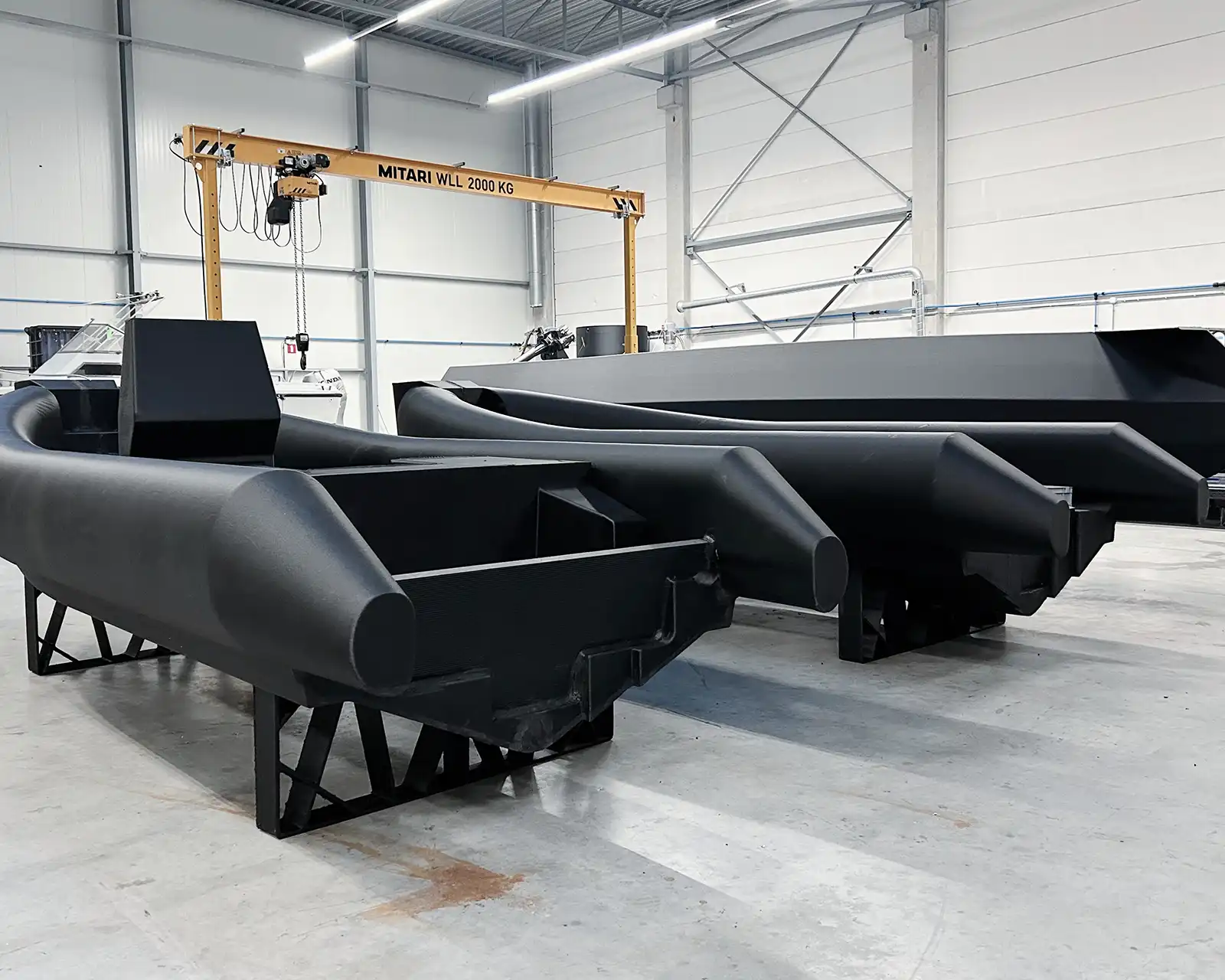
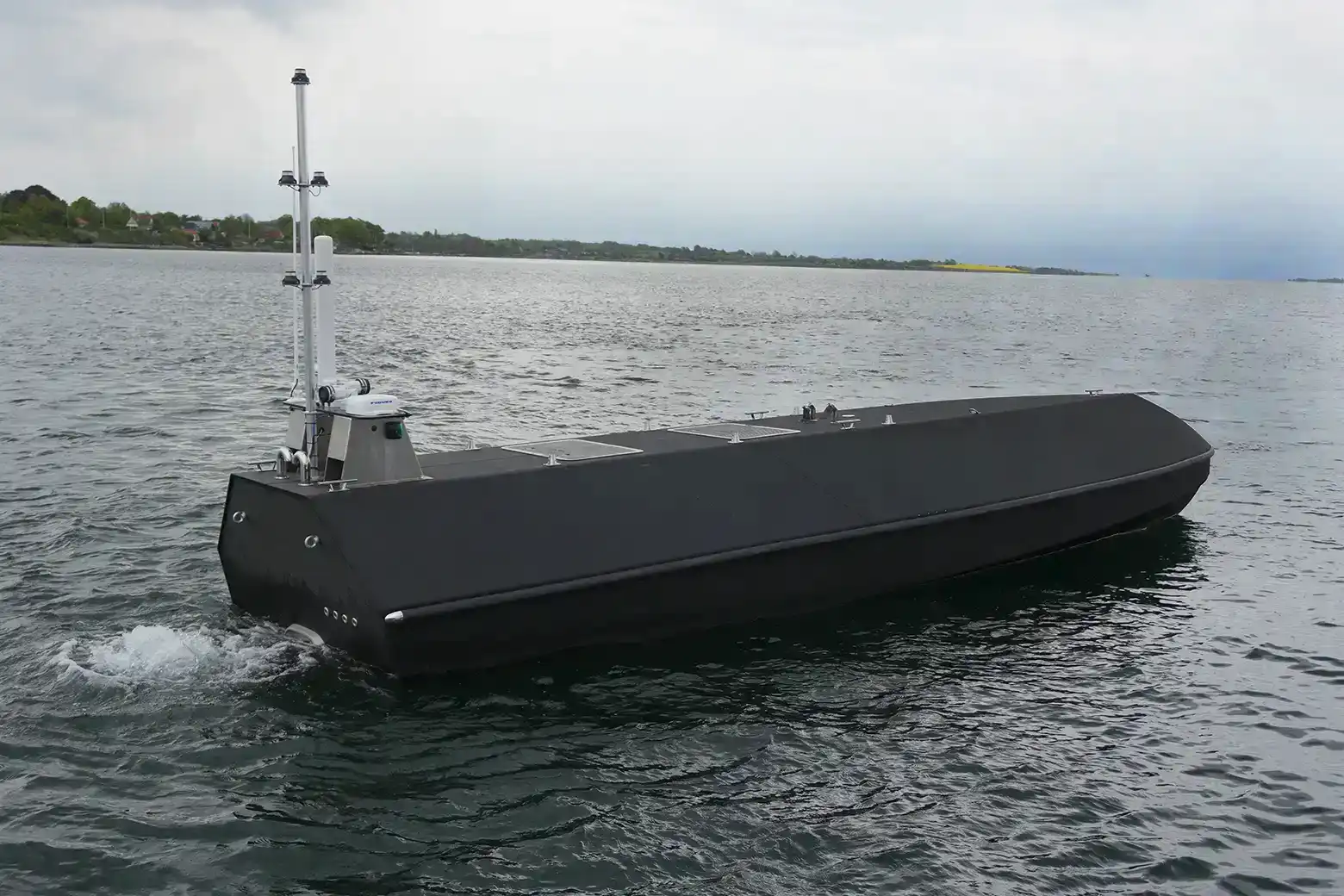
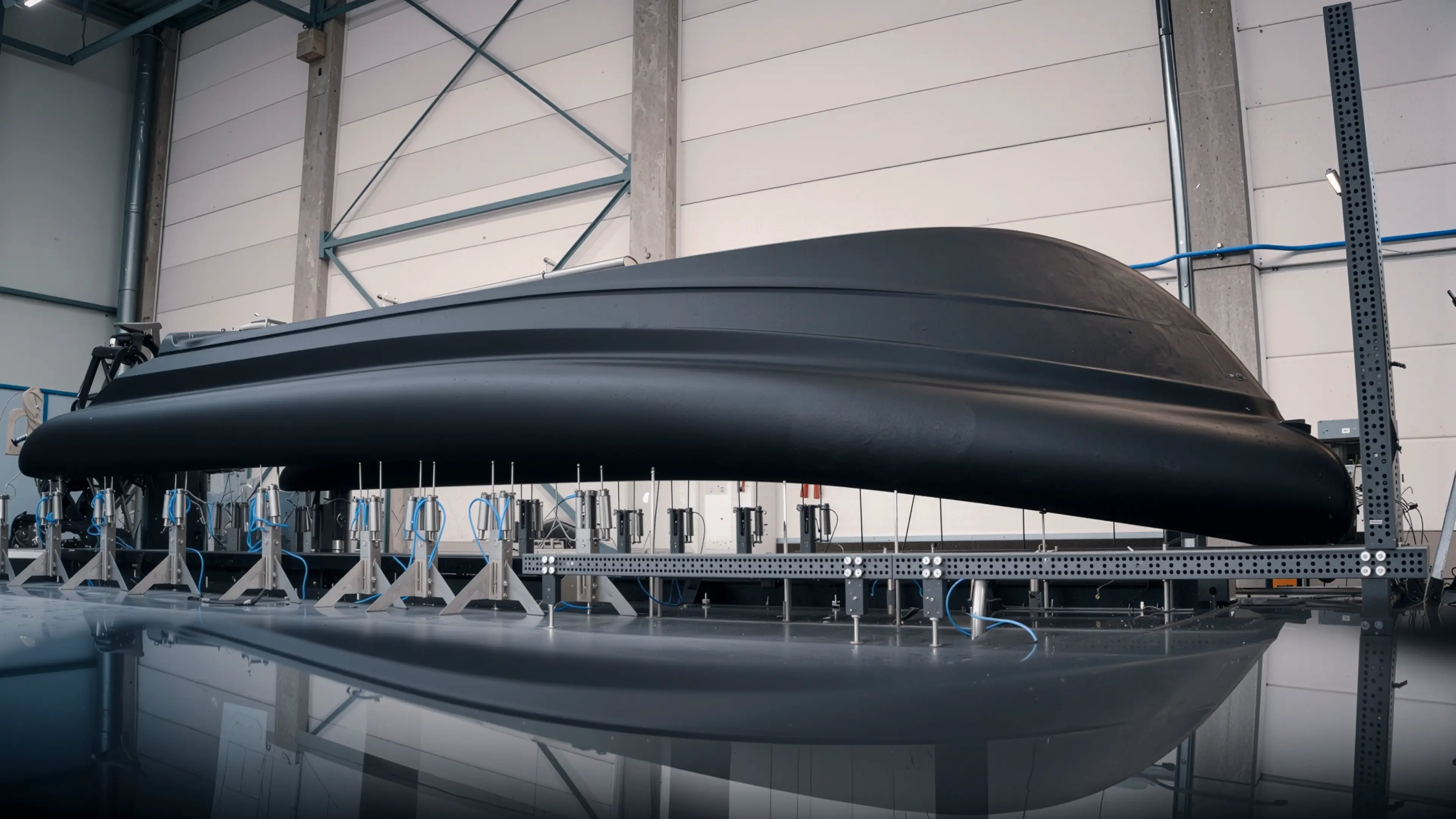
We design and build hulls and, increasingly, motorised workboats and unmanned surface vessels (USVs), for boat builders, commercial operators and defence organisations. By combining large-scale industrial 3D printing with advanced production and maritime operations, we're building the next generation of local boat factories.
01
Fast delivery
Thanks to our automated production process using large scale 3D printing, we have low labor costs, scale quickly and guarantee short lead times.
02
Low maintenance
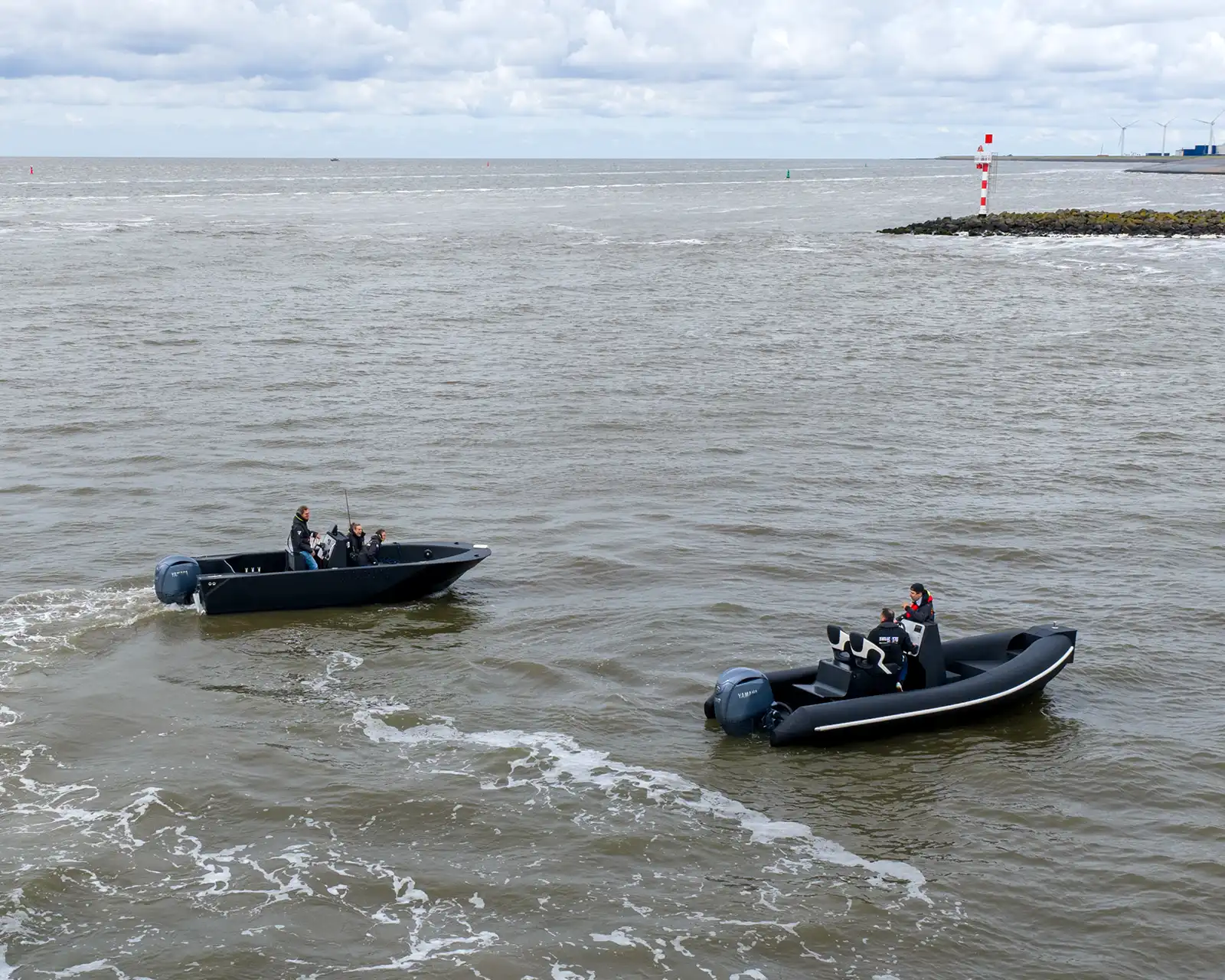
Our boats are made from HDPRO®, an innovative boatbuilding material that does not rust or rot. No paint maintenance, no corrosion.
03
Durable
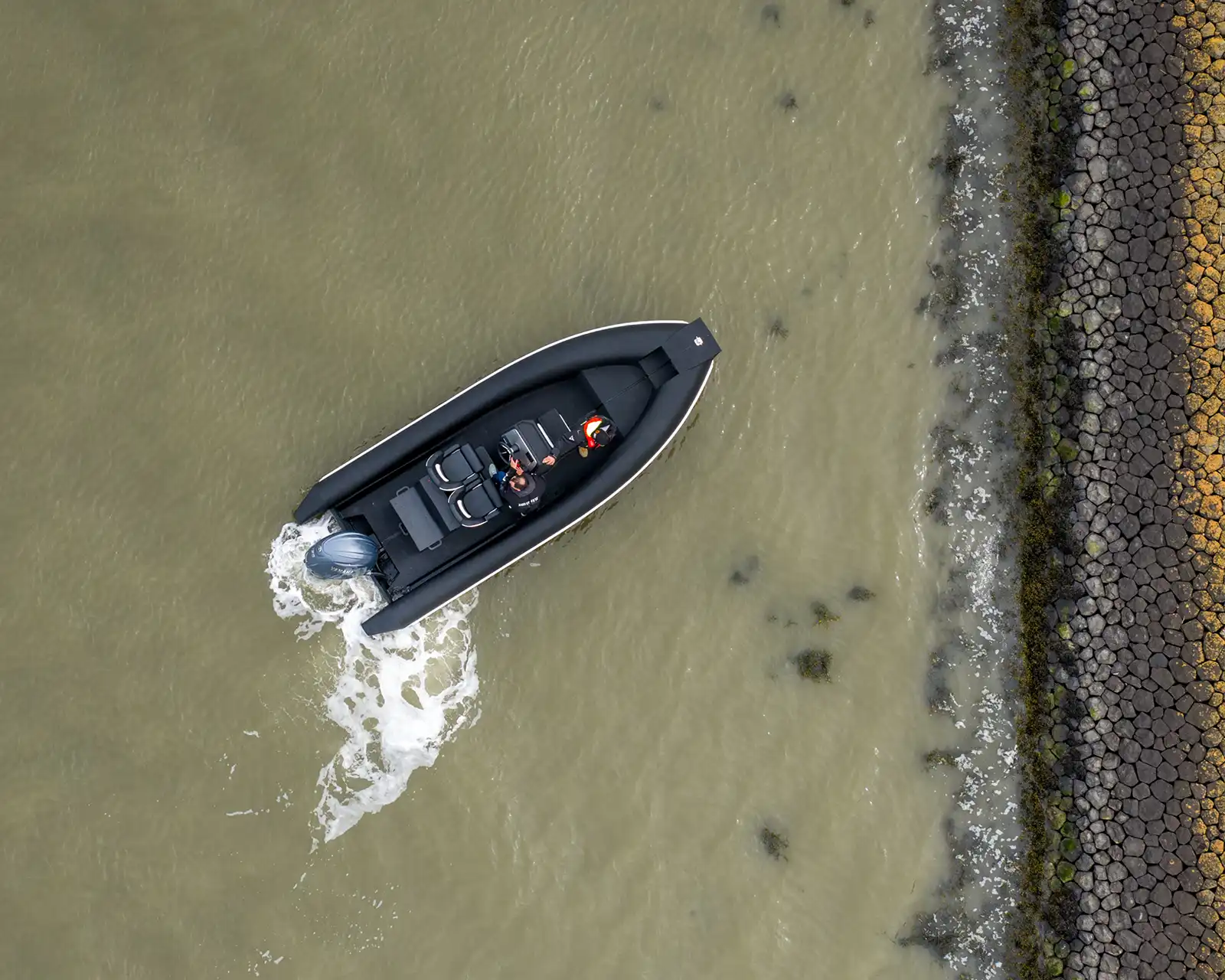
HDPRO® has exceptional impact and wear resistance. Whether for coastal rescue, defence or commercial use. Our hulls are built to perform under the thoughest conditions.
04
Sustainable
HDPRO® is fully recyclable. We minimise material waste in our production process and design boats with a long service life and small ecological footprint.
HDPRO®
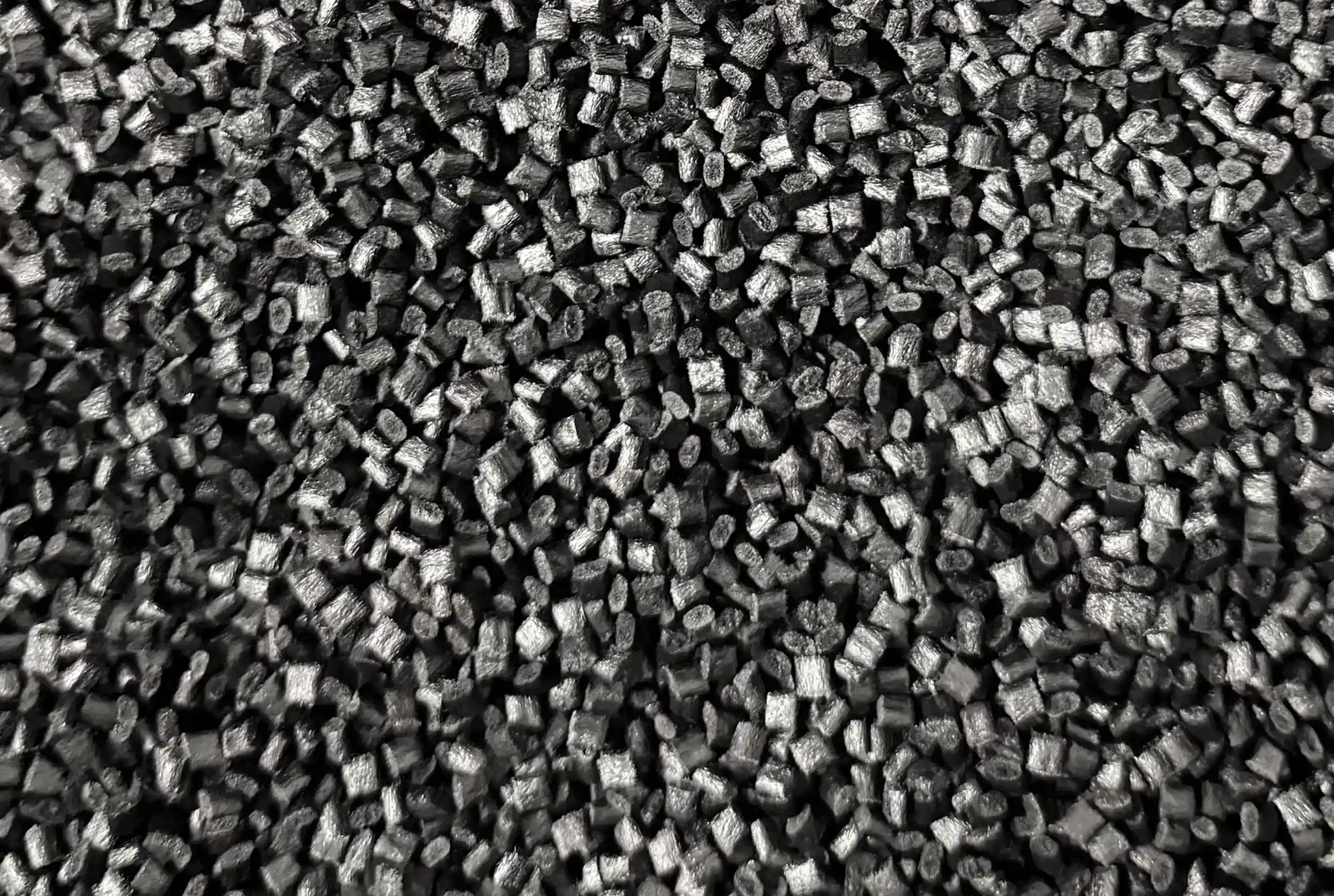
proprietary material
Innovative granulate material For 3D printed boats
HDPRO® is a specially developed 3D printable material with outstanding properties for marine environments.
Ready to order
Our Offering
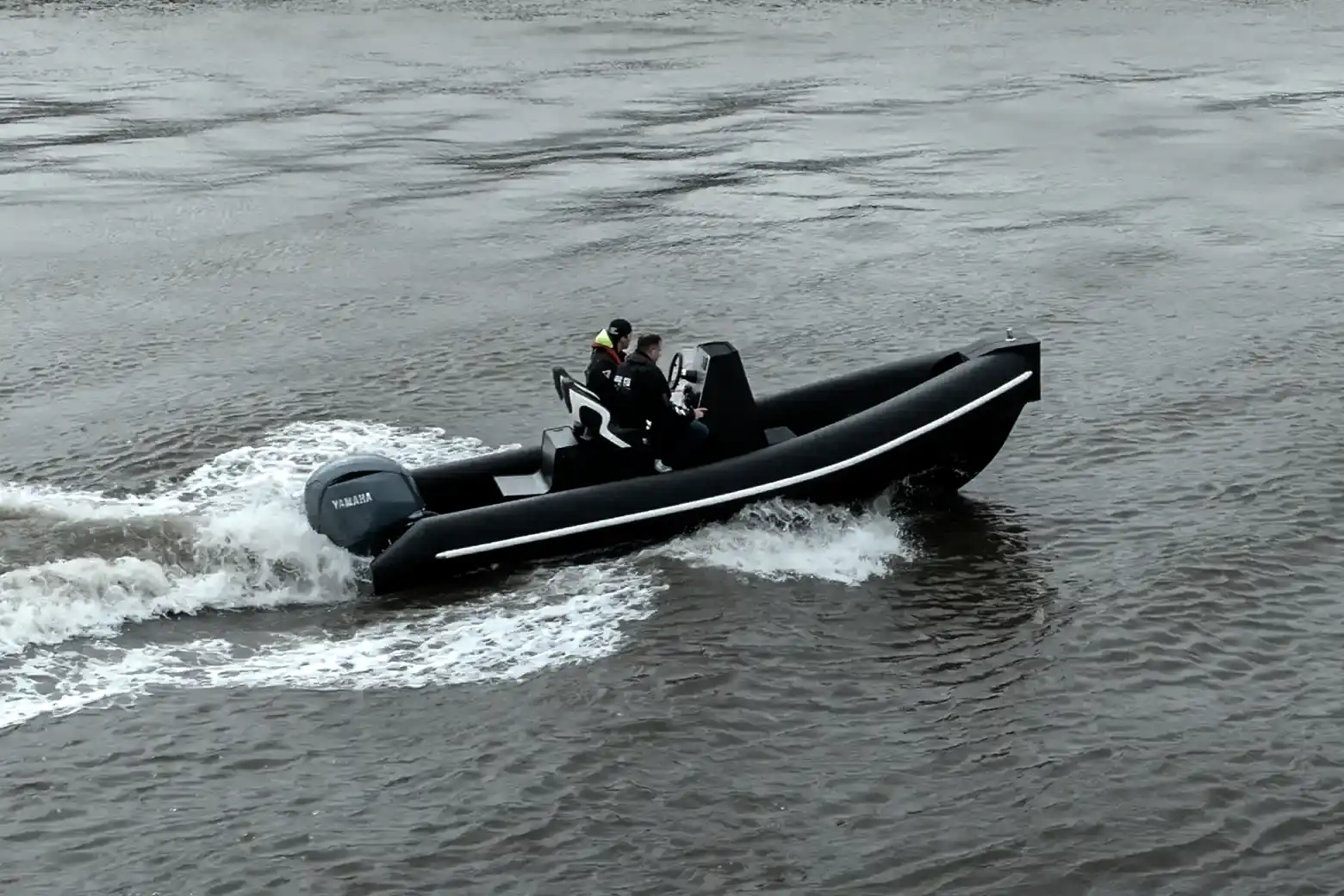
We have our standard models, proven designs, ready to order. Or fully customized to your specifications. Whichever route you choose, every hull is printed in HDPro: fast, repeatable and built to last.
Meet the team
ABOUT US
Modernising boatbuilding. Automated hull production, computer-aided design, built digitally.
Ask us anything!
QuestionS?
New technology means new questions. Here are the answers we give most often, if yours isn't here, just ask.
10
What does building a boat with large scale 3D printing mean?
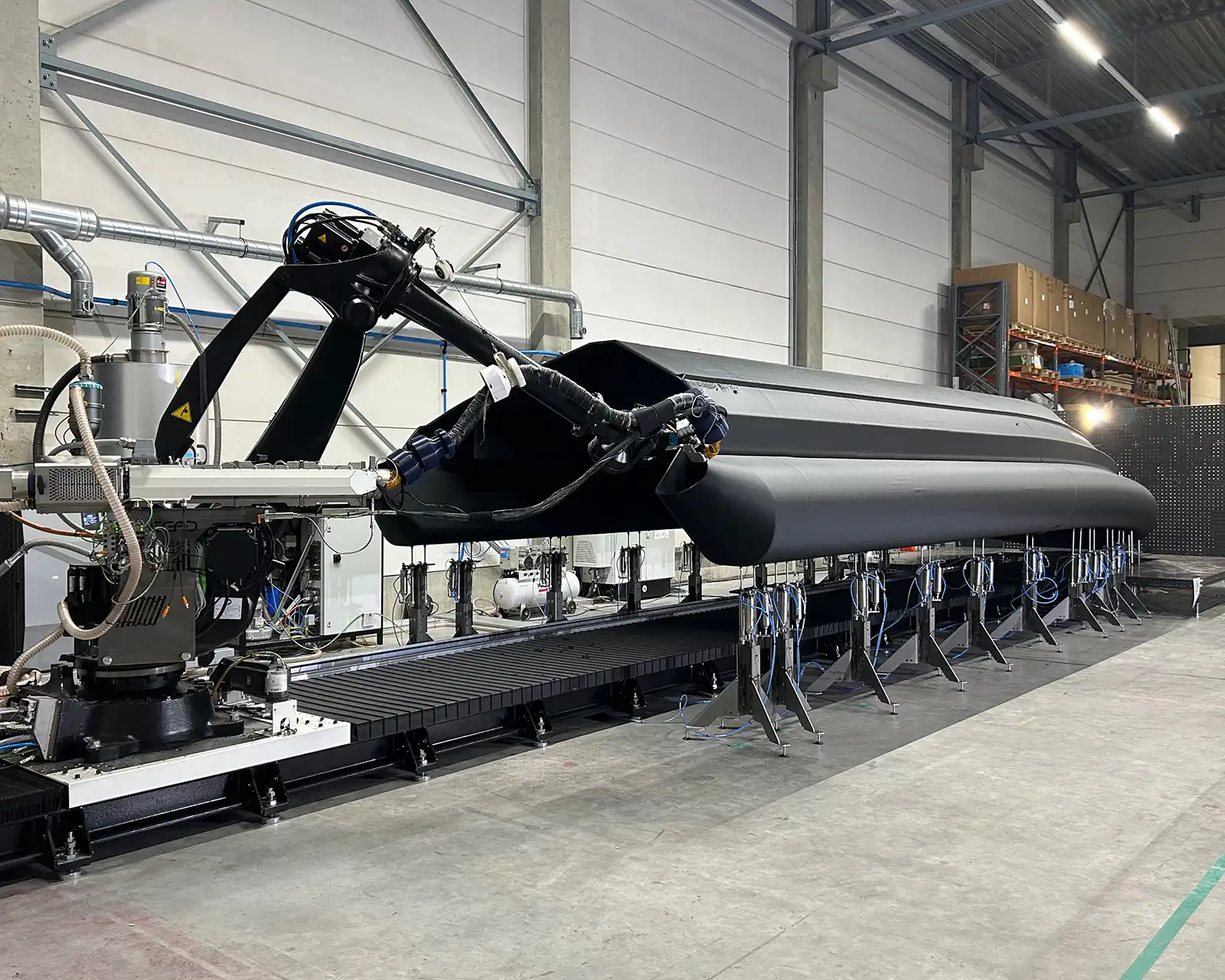
Large scale 3D printing is a manufacturing process where a hull or boat component is built up layer by layer directly from digital design files, using a large-format 3D printer and a thermoplastic composite material. Instead of hand-laminating a hull in a mould, the printer deposits material along a programmed path until the part is complete : cutting weeks of manual labour down to days.
20
What materials are used with large scale 3D printing?
At the Dutch Boat Factory, we print with HDPro, a glass-fibre reinforced thermoplastic composite developed specifically for maritime use. It resists heavy impacts without cracking, doesn't absorb water like other thermoplastics, and is naturally more resistant to marine growth, so there's less fouling and less maintenance over the life of the boat. It's UV stable, so no extra coatings are needed.
30
What are benefits of using large scale 3D printing for boat building?
3D printing lets us build hulls faster and with far less manual labour than traditional methods, while keeping the flexibility to customise each design. Because the material is impact-resistant, waterproof and low in maintenance, the boats that come off our printers also cost less to own over their lifetime.
40
How heavy is a 3D printed DBF hull compared to fibreglass, aluminium or carbon?
Our printed hulls weigh about the same as a quality-built fibreglass (GRP) hull of the same size. A well-built aluminium boat will usually be somewhat lighter, and a carbon fibre boat will be considerably lighter. If minimum weight is your top priority, for example for racing or foiling, carbon is the better choice. In exchange for that weight, you get a hull that is tough, low-maintenance and easy to repair. The material absorbs impacts and deforms instead of cracking or delaminating, so it handles beaching, going alongside other vessels and heavy daily use. There's no gelcoat to crack, no osmosis and no corrosion, and the hull isn't bothered by UV or winter storage outside. Damage can be welded, in the field if needed, without laminating, curing or a specialist yard. And because we print without moulds, hull shape and length can be adapted without investing in new tooling.
50
Can I get the hull in another colour, or have it painted or coated?
Our hulls are delivered in black. The black comes from carbon black mixed into the material, and it is one of the most effective UV protectants for this type of plastic. It gives the hull proven long-term resistance to sunlight, without a coating that can wear off. Other colours are possible for larger series of hulls, but they need their own validation for UV stability. Contact us if you are planning a larger order. We don't paint or coat hulls, and we don't offer this as a service. The material has a low surface energy, which makes it very hard for paint, gelcoat and glue to bond to it permanently. Just as important, an uncoated hull stays made of a single material and can be fully recycled at the end of its life. The benefit is that the hull never needs repainting or gelcoat repairs.